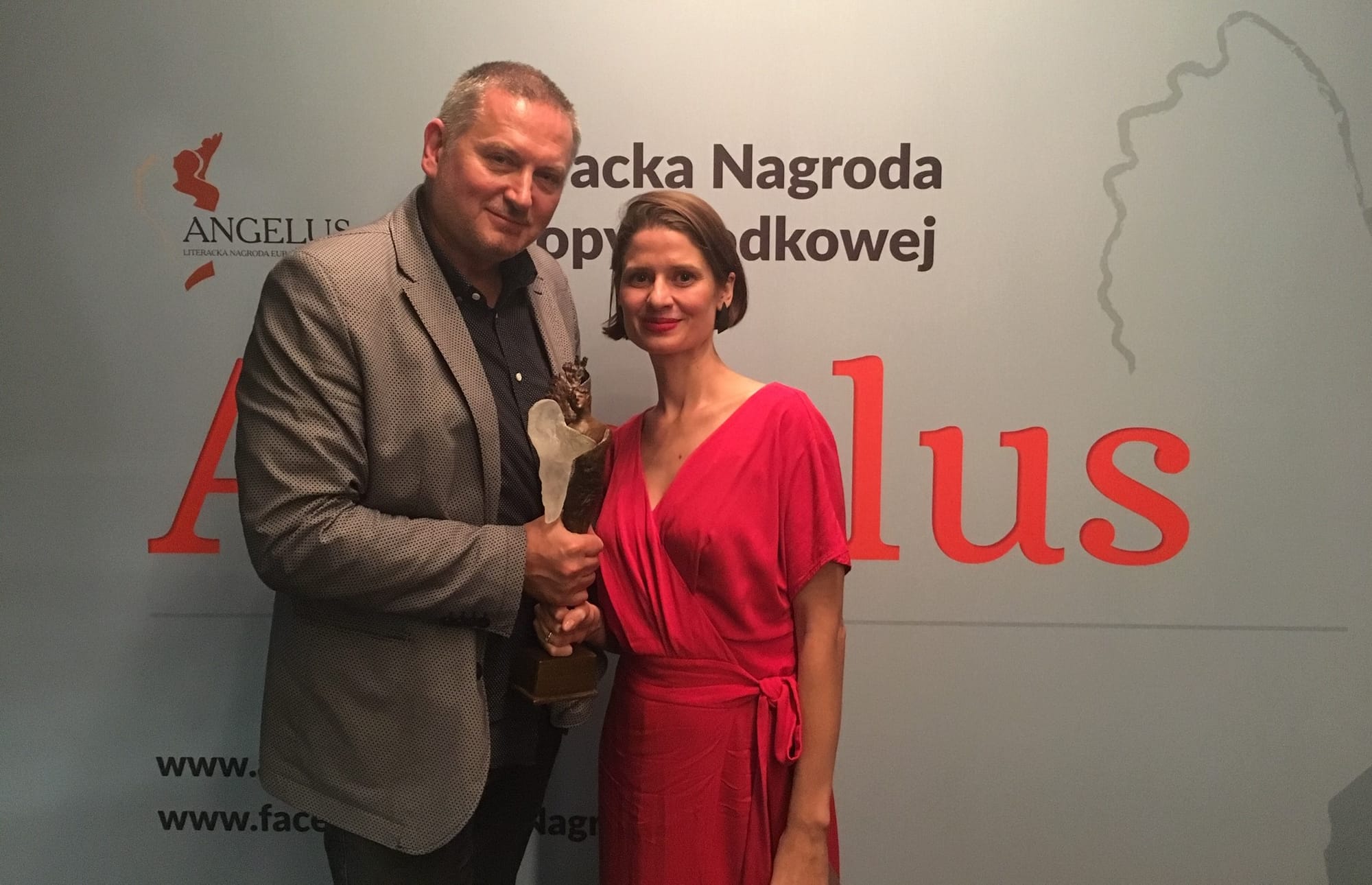
Georgi Gospodinov wins Angelus Central European Literature Award 2019
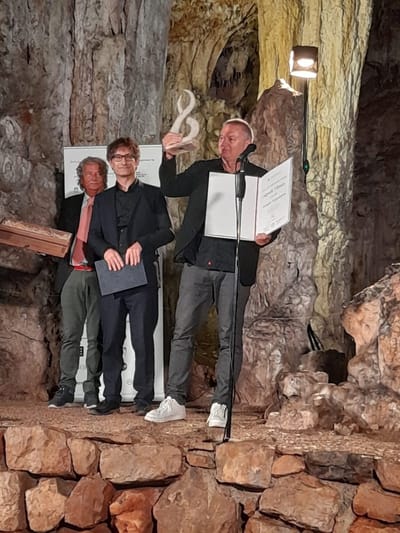
On Saturday 19 October in Wrocław, Angelus Central European Literature Award was presented for the 14th time, the most important distinction for writers from Central Europe whose books were published in Polish. This year, for the first time the winner is a writer coming from Bulgaria. The jury awarded Georgi Gospodinov for his novel The Physics of Sorrow, published by Wydawnictwo Literackie. He received the award from Mayor of Wrocław Jacek Sutryk.
The winner was selected by the following jury: Mykola Riabchuk (chairman), Marcin Cieński, Urszula Glensk, Ryszard Krynicki, Anna Nasiłowska, Małgorzata Szpakowska and Piotr Śliwiński. Gospodinow received a cheque for 150 000 PLN and a statuette designed by Ewa Rossano. The founder of the Award is the city of Wrocław.
Who is the winner of Angelus 2019?
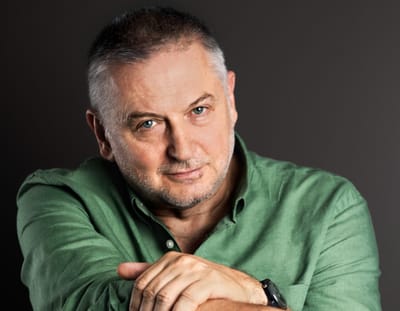
Born in 1968, Georgi Gospodinov is one of the most often translated Bulgarian writers, whose work was presented in, among others, The New York Times and The New Yorker. He published 7 volumes of poetry and 8 books of prose, including The Physics of Sorrow from 2012, a novel which in Bulgaria sold out in three weeks. The book was translated into Polish by Magdalena Pytlak and published in 2018 by Wydawnictwo Literackie.
During a meeting with Angelus nominees, the author said that The Physics of Sorrow was written as an attempt to answer the question why Bulgaria is considered one of the saddest countries in the world.
"Gospodinov encourages us to reconsider the myth of Minotaur and see that the monster is actually the victim. In his prose, the reality of life in Bulgaria was deliberately universalized and so it is very close to a Polish reader, who can at the same time learn why live snails were being swallowed in the Balkans…", says Urszula Glensk, member of Angelus jury. "It is also a novel about empathy. A "Bulgarian" One Hundred Years of Solitude. It’s the greatest literature".