The Physics of Sorrow in Modern World Literature cource
The aim of these course is to introduce the students the subjectively selected novels among the most important masterpieces of 20th century world literature. Pointing out the main streams and models of modern literature as well as the main models of cultural analysis of literature works is no less important.
Within the framework of the discussion on the selected novel the problem of the very concept of world literature (appeared during 20th and 21st centuries), the status and the role of the translated texts as well as the relation between national (ethnic) and a cosmopolitan culture of the last decades will be focused on. In the context of analyzing every novel, several issues can appear, such as: trans-culturalism, multilingual works, individually understood comparative research, which can mean the analysis of different perspectives of similar philosophical, social, psychological, political and other problems in different literatures (Inter-personal relationships, dissolution of traditional communities, breakdown the traditional cultural and social roles, identity crisis, claims of minorities within the definite communities, modern cities).
During the course the following books will be discussed:
1. Colombia – Gabriel Garcia Marquez – One Hundred Years of Solitude;
2. Argentina - Jorge Luis Borges – Stories;
3. Peru – Mario Vargas Llosa – Death in the Andes;
4. Turkey – Orhan Pamuk – Istanbul: Memories and the City;
5. Spain – Jaume Cabré – Confessions;
6. Great Britain – William Golding – Lord of the Flies;
7. Russia – Aleksander Tierechow – Stone bridge;
8. Poland– Wiesław Myśliwski – Eye of a needle;
9. France – Patrick Modiano – Villa Triste;
10. Italy – Umberto Eco – The name of the rose;
11. Germany – Thomas Bernhard – Woodcutters;
12. Croatia – Dubravka Ugrešić – Fording the Stream of Consciousness;
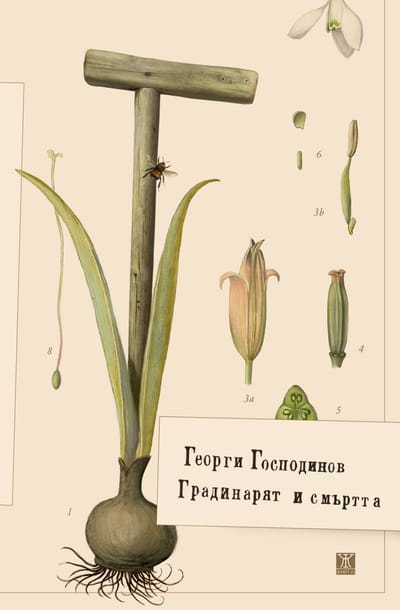
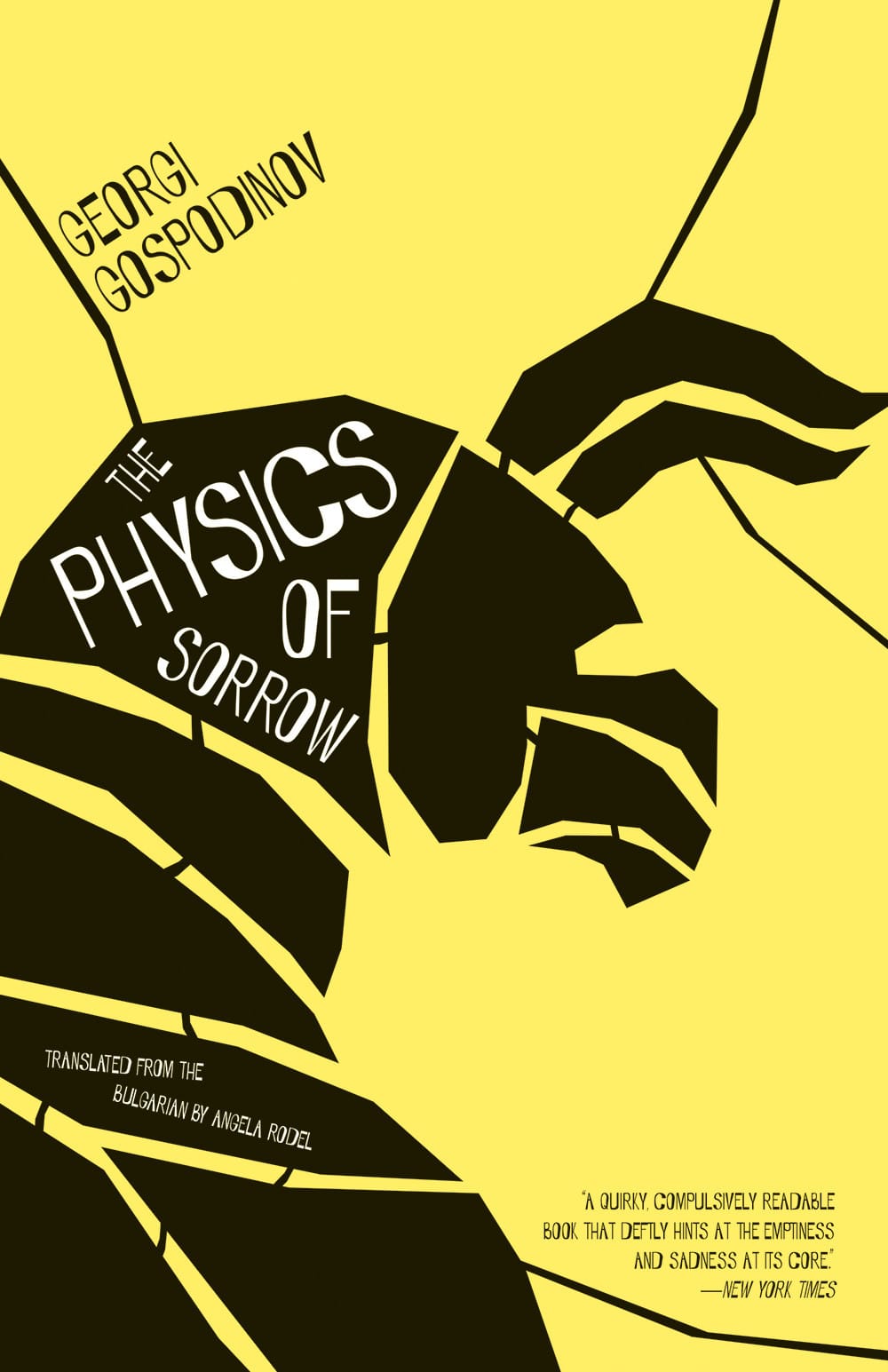
13. Bulgaria – Georgi Gospodinow – The Physics of Sorrow;
14. USA – Joseph Heller – Catch-22;
15. Japan – Haruki Murakami – A Wild Sheep Chase.